The Second Opening
If Phrumo was the first breath—the awakening murmur of a forgotten presence—then Dujto is the second heartbeat: deeper, darker, more knowing.
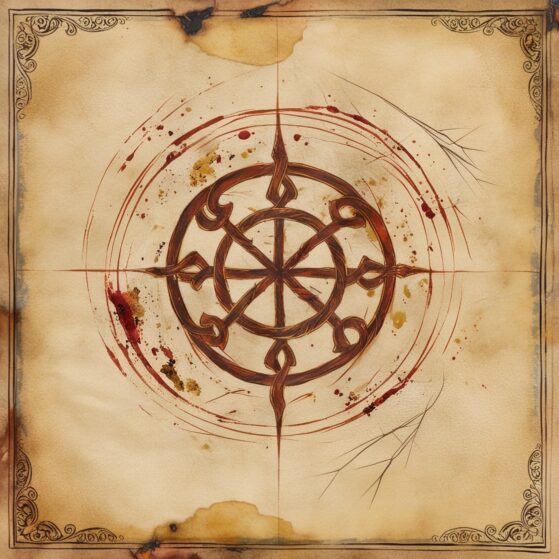
By the time Dujto was found, the symbol had changed. Still ancient, still untranslatable, but now split—mirrored, or perhaps fractured—suggesting duality, reflection, or evolution. Those who had listened to Phrumo felt something stir inside them. Dujto is what answers that stirring.
The sounds this time are heavier, more deliberate. Drones seep like mist through hidden valleys. Melodies flicker like candlelight in ruined temples. Beats crack like ritual fire under cold stars. There are inaudible voices that do not speak—they remember. They silently chant in cadences older than history, in a tongue that echoes even after the music stops.
Some say Dujto is the response to a call made long ago—perhaps from another realm, perhaps from within ourselves. Others claim it’s the echo of a second intelligence behind Na Samrat, an unseen twin, a double-shadow stepping forward from the deep.
And yet, Dujto is not simply continuation. It is expansion. A doorway not behind the first, but beside it—opening into another facet of the same unknowable truth. Where Phrumo revealed, Dujto unravels. Where Phrumo gestured toward the source, Dujto dares to reach into it.
To hear it is to feel the veil thin again. To follow it is to descend, or ascend—it’s no longer clear. Only this is certain: the journey has not ended. It has only doubled.