The Fifth Veil
There is a silence that comes after awakening.
Not stillness—but listening.
Not absence—but attunement.
Panjto lives in that space.
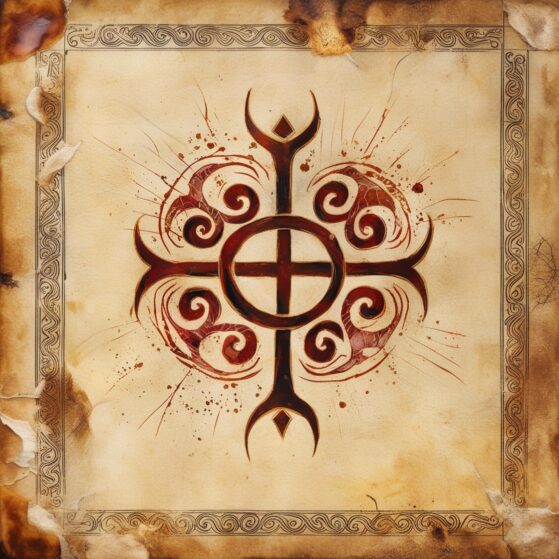
It is the fifth sign, and with it, the dream begins to take shape. The symbol no longer pulses—it breathes. Its lines are no longer questions, but paths. For the first time, something in the music seems to look back at the listener.
Panjto is not louder, nor faster—it is clearer. The fog has not lifted, but now we know it moves with intention. This album hums with a new kind of energy: deep, resonant, alive. Textures crackle, rhythms turn in cycles both sacred and strange. One hears the echo of ritual in every beat, the echo of revolution in every silence.
The music is still unplaceable—drifting between eras, cultures, and worlds—but there is a new confidence in its shapeshifting. Romani melodies stretch further now, twisting into microtonal drones, shadowed brass, broken synthetic choirs. And yet nothing feels foreign. Everything feels inevitable.
Some believe the fifth album marks the midpoint of the journey. Others call it the eye of the spiral—where all motion appears still, but the transformation is deepest.
Whatever it is, Panjto doesn’t offer answers. It invites you further in. Not to understand, but to remember.